
Source Responsibly: Build a Sustainable Supply Chain for Perfume Manufacturing in Dubai
Sustainability in Perfume Manufacturing: Trend or Transformation?

The perfume industry is evolving, and nowhere is this more evident than in ingredient sourcing. As consumers become more discerning and regulatory frameworks more demanding, fragrance brands are expected to uphold environmental ethics, transparency, and safety in every product they bring to market. Today, sourcing sustainable ingredients for perfume manufacturing in Dubai is no longer a niche strategy—it’s a foundational element of brand credibility, regulatory compliance, and long-term viability.
In the UAE, perfume manufacturers must not only meet the sensory and aesthetic demands of the market but also adhere to strict environmental and health standards set by authorities like Dubai Municipality. Sustainability extends beyond formulation. It includes packaging, supply chains, labeling, and product life cycle management.
At Ertikaz, we help fragrance businesses design and implement sourcing strategies that align with sustainability goals, regulatory standards, and brand differentiation. From ingredient traceability to vendor selection and pricing strategy, our consulting services ensure that eco-conscious decisions translate into business value.
Defining Sustainability in Perfume Ingredient Sourcing

Sustainability is more than just a marketing term—it’s a measurable, traceable set of standards that influence every part of the supply chain. For perfume manufacturers in Dubai, sourcing sustainable ingredients means working with raw materials that are ethically produced, environmentally friendly, and aligned with international safety standards.
What Makes an Ingredient Sustainable?
- Renewability: Can the resource regenerate without depleting ecosystems?
- Traceability: Can the supply chain be verified back to its source?
- Ethical Production: Was the ingredient harvested under fair labor and environmental conditions?
- Low Environmental Impact: Is the ingredient biodegradable, low in emissions, and minimally processed?
- Regulatory Safety: Does it meet IFRA guidelines, allergen control, and labeling requirements?
Examples of Qualifying Certifications:
- ECOCERT and COSMOS (organic certification)
- RSPO (sustainable palm oil)
- Fair Trade Certified
- IFRA Compliance Declarations
- REACH (EU chemical safety standard)
Ertikaz works with brands to identify which certifications and sustainability indicators align with their target market and brand values. Through our formulation consulting and supplier validation services, we ensure you’re not only compliant but also strategically positioned to meet the growing demand for conscious consumption.
Popular Sustainable Perfume Ingredients and Where to Source Them

Eco-friendly fragrance design doesn’t mean compromising on sophistication or olfactory appeal. In fact, sustainable materials often contribute to richer brand storytelling and a more premium perception. Many perfume manufacturers are now moving toward a blend of naturally sourced materials and eco-designed synthetic compounds to balance performance with responsibility.
High-Demand Sustainable Ingredients:
- Vetiver (Haiti or India): Organically grown, often fair-trade certified, with deep, earthy tones
- Sandalwood (Australia or New Caledonia): Sustainably farmed to combat overharvesting of Indian varieties
- Rose Absolute (Bulgaria or Morocco): Traceable back to organic-certified farms, high yield, and low solvent residue
- Cistus Labdanum: Collected from wild shrubs, minimal processing
- Linalool and Limonene: Biodegradable aroma molecules from citrus or lavender, IFRA-compliant
Sustainable Synthetic Compounds:
- Green Chemistry Molecules: Engineered for low toxicity and biodegradability
- Biotech-Derived Aromatics: Created using fermentation instead of petrochemical processes
Sourcing these ingredients requires access to vetted global suppliers and the technical insight to assess purity, documentation, and batch consistency. Ertikaz helps clients establish supply chain relationships and sourcing protocols that protect product integrity while supporting environmental commitments.
Ingredient Traceability and Documentation for Compliance

In Dubai, sustainability isn’t just about sourcing the right ingredients—it’s also about proving it. Regulatory compliance for perfume manufacturing in the UAE includes documentation that verifies the origin, safety, and chemical composition of every input. Without proper traceability, your product could be delayed, rejected, or even banned from sale.
Key Documents Required for Each Ingredient:
- Certificate of Origin: Confirms country of harvest or synthesis.
- Safety Data Sheet (SDS): Provides hazard classifications and safe handling practices.
- IFRA Certificate: Ensures the fragrance complies with global usage limits and safety standards.
- Allergen Declaration: Required for EU-compliant labeling and Montaji approval.
- Material Specification Sheet: Verifies physical and chemical characteristics.
- COA (Certificate of Analysis): Confirms batch-specific properties, especially for natural oils.
These documents aren’t just formalities—they are crucial to Montaji product registration through Dubai Municipality, a mandatory step before perfumes can legally be sold in the UAE. Missing or inconsistent documentation can delay approvals and affect your launch timelines.
Ertikaz offers full support in gathering, reviewing, and submitting regulatory documents. Our compliance advisors ensure that your ingredients and finished products meet all Dubai and GCC standards, reducing risk while accelerating your route to market.
Ethical Sourcing: Avoiding Exploitation and Overharvesting

Beyond regulatory compliance, many brands face growing pressure to demonstrate ethical responsibility in their supply chains. For perfume businesses, this often means avoiding ingredients linked to deforestation, labor exploitation, or biodiversity loss.
Common Ethical Risks in Fragrance Raw Material Sourcing:
- Overharvested Naturals:
Examples: Indian sandalwood, rosewood, agarwood
These may be endangered, restricted by CITES, or illegally farmed. - Unverified Labor Practices:
Smallholder farms or distilleries may rely on underpaid or undocumented labor. - Deforestation and Land Misuse:
Ingredients like vanilla, patchouli, and citrus oils are sometimes cultivated in unsustainable ways that damage soil and habitats. - Greenwashing by Suppliers:
Claims of “natural” or “eco-friendly” without verifiable proof or certification.
Ethical Sourcing Best Practices:
- Prioritize ingredients certified by reputable bodies (e.g., Fair for Life, ECOCERT).
- Work with suppliers that provide full transparency and third-party audits.
- Limit use of endangered ingredients and explore sustainable alternatives.
- Align sourcing practices with the UN’s Sustainable Development Goals (SDGs).
Ertikaz supports clients in creating ethical sourcing policies, supplier screening frameworks, and brand guidelines that meet the growing expectations of retailers, regulators, and conscious consumers.
Packaging and Process Sustainability: Beyond Ingredients

Building a sustainable perfume brand involves more than raw materials. Packaging and production methods also play a significant role in reducing environmental impact. In Dubai’s luxury-conscious market, eco-friendly packaging must strike a balance between visual appeal, material innovation, and recyclability.
Key Packaging Considerations:
- Glass Bottles:
Use lightweight, recycled, or refillable options to reduce carbon footprint. - Plastic Components:
Replace non-recyclable pumps and caps with recyclable, PET-free alternatives when possible. - Cartons and Labels:
Source from FSC-certified paper providers. Use vegetable inks and minimize lamination. - Secondary Packaging:
Limit unnecessary wrapping, tissue, or magnetic closures unless recyclable.
In addition, production processes such as water use, energy consumption, and chemical waste disposal should be monitored—especially for in-house or contract manufacturers.
Ertikaz offers packaging development and sustainability consulting to help perfume brands make environmentally responsible choices without compromising their visual identity or brand storytelling.
Impact on Branding, Product Positioning, and Retail Partnerships
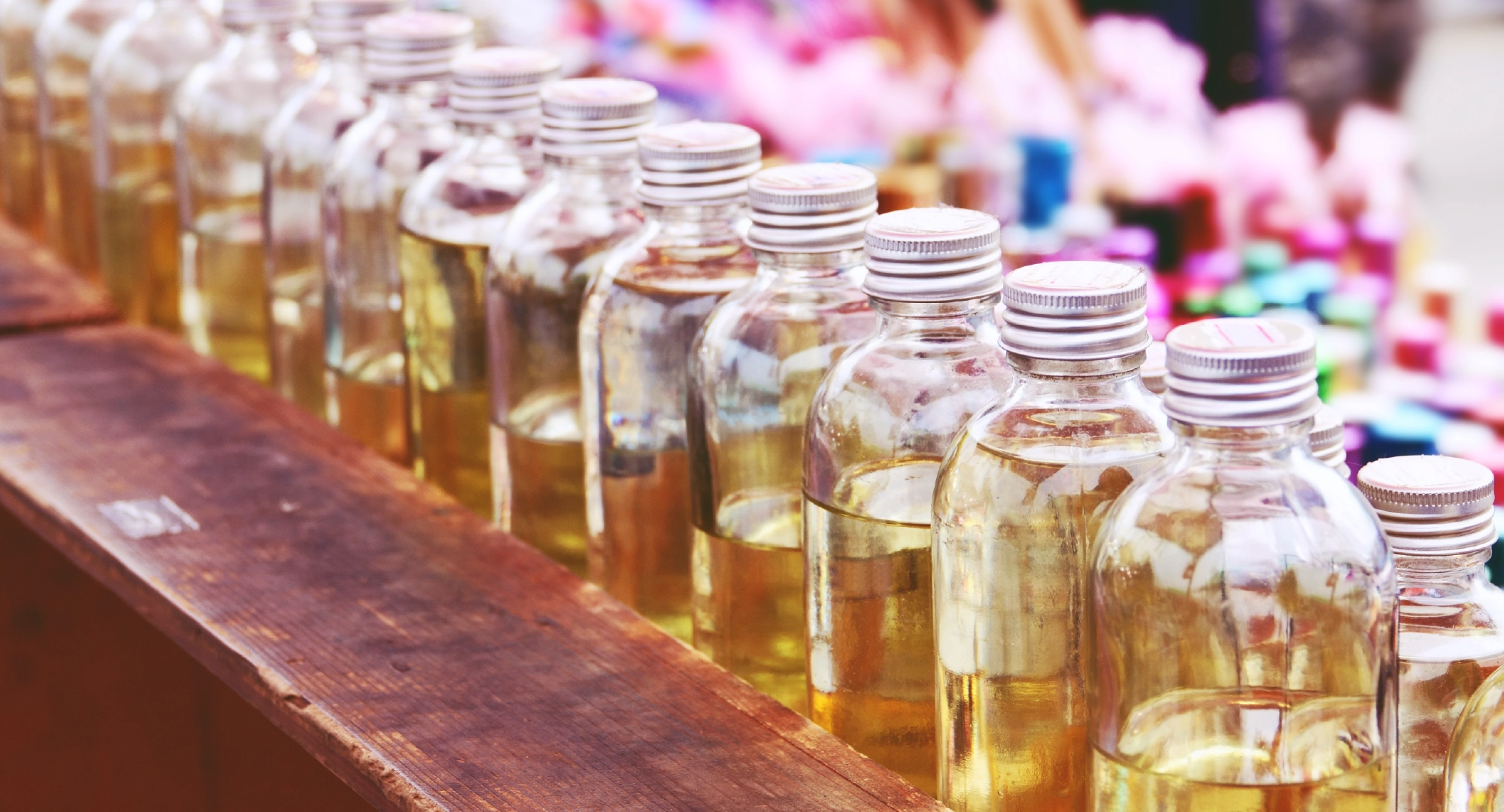
Sourcing sustainable ingredients is not only a supply chain decision—it’s also a branding strategy. In today’s market, especially in Dubai where luxury, wellness, and innovation intersect, sustainability signals credibility, transparency, and leadership. A responsible ingredient policy can be a powerful competitive advantage.
How Sustainability Enhances Brand Value:
- Luxury Appeal:
Premium consumers are increasingly drawn to eco-conscious brands that value ethics as much as aesthetics. - Niche Differentiation:
Clean fragrance brands attract wellness-conscious customers and align with vegan, cruelty-free, or non-toxic positioning. - Retail Acceptance:
Major local and international retailers often require ingredient transparency and sustainability disclosures before stocking new brands. - Media and PR Potential:
Certifications, sustainable packaging, and traceable ingredients provide strong talking points for brand campaigns and influencer partnerships.
Ertikaz helps brands integrate sustainability into product development and brand strategy, ensuring it’s not just a technical detail—but a story that resonates with your audience and retail partners.
Cost Planning and Financial Considerations for Sustainable Sourcing

One of the biggest challenges in adopting sustainable practices is the perception of higher cost. While some eco-certified or rare natural materials are priced above conventional alternatives, proper planning can ensure these investments support pricing power, brand positioning, and long-term returns.
Managing the Financial Side:
- Ingredient Cost Forecasting:
Sourcing organic or fair-trade ingredients may increase your cost of goods sold (COGS), but also supports a premium price point. - MOQ and Supplier Terms:
Sustainable suppliers may require larger minimum order quantities—Ertikaz helps negotiate favorable terms or phased deliveries. - Packaging Budget:
Eco-friendly packaging can be more expensive up front but reduces waste fees and builds retailer confidence. - Cost vs. Value Alignment:
Sustainable sourcing increases perceived value, which enables price anchoring, better retail placement, and stronger D2C margins.
Ertikaz’s financial consulting services include sustainable sourcing budget planning, pricing strategy, and margin optimization—ensuring your values don’t come at the cost of profitability.
Export and Global Market Access: Sustainability and Regulatory Benefits
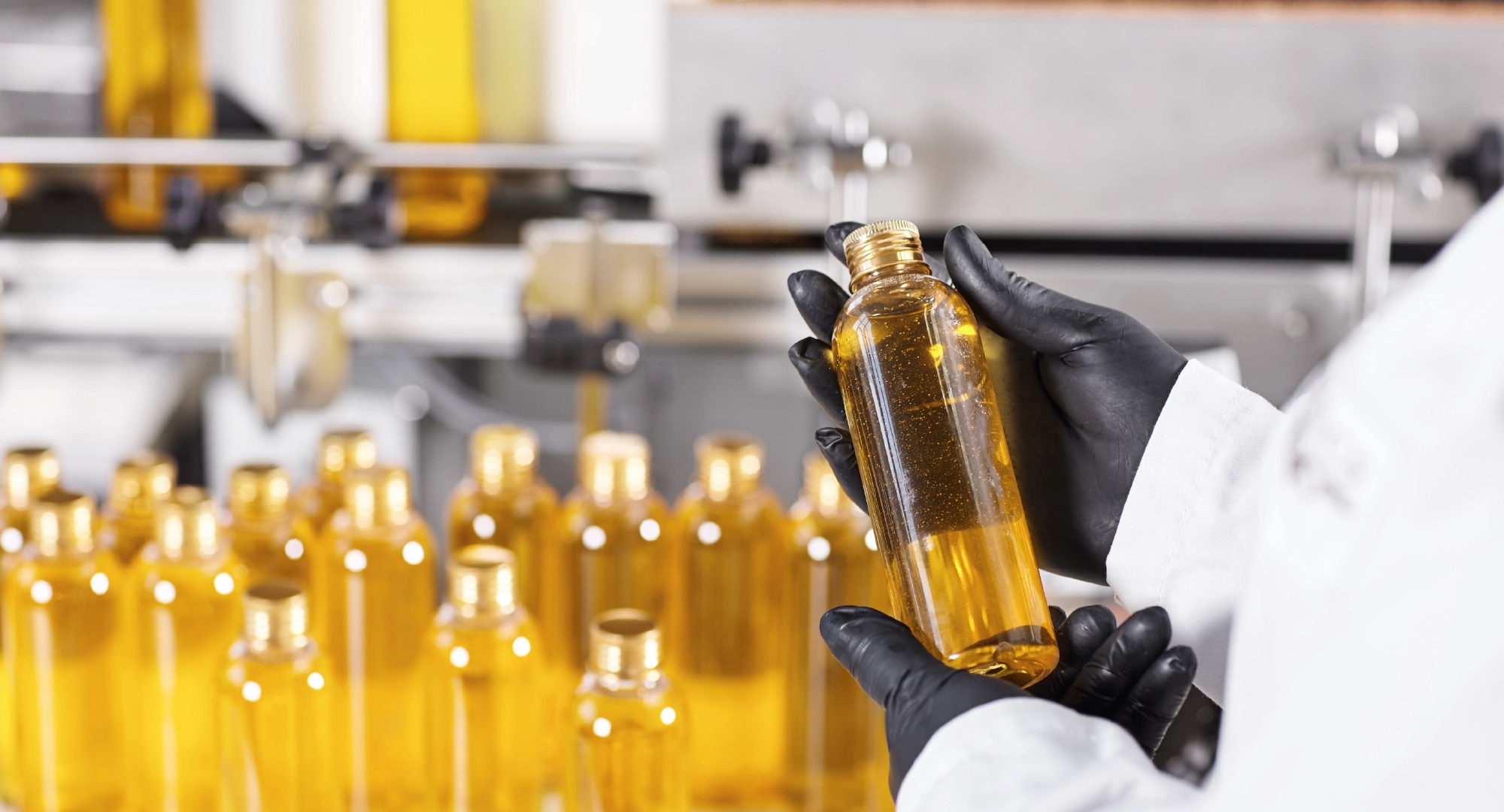
As UAE-based perfume brands expand into international markets, sustainability becomes even more critical. Retailers and importers in the EU, US, and GCC markets often require sustainability documentation and traceability assurance as part of product listing or compliance audits.
Benefits of Sustainability in Global Trade:
- EU Cosmetic Regulation Alignment:
Sustainability-linked practices (biodegradable packaging, allergen transparency) support smoother EU product approvals. - Retailer Due Diligence:
Large chains and department stores expect declarations around ethical sourcing, cruelty-free claims, and carbon footprint. - Distributor Confidence:
Sustainability reduces return risks and enhances partner appeal.
Ertikaz helps businesses structure their product documentation and compliance strategy to meet the regulatory and commercial standards of international markets—allowing sustainable perfume brands to scale globally with confidence.
Build a Sustainable Perfume Brand with Supply Chain Integrity

Sustainability in perfume manufacturing is no longer optional. From Dubai’s niche fragrance houses to global distributors, the demand for ethically sourced, environmentally safe, and transparently labeled ingredients is growing—and expected. It’s not just about what’s in your bottle, but where it came from, how it was made, and how it will impact the world beyond the sale.
At Ertikaz, we guide businesses through every layer of sustainable development—from raw material sourcing and ethical supplier vetting to regulatory alignment, packaging, and pricing. Our consulting services ensure that your sustainable choices are backed by strategy, compliance, and commercial viability.
If your goal is to create a fragrance brand that stands for more—start with supply chain integrity. Partner with Ertikaz to design a sustainable, scalable, and credible perfume business in Dubai.
Frequently Asked Questions
Sustainable ingredients are ethically sourced, renewable, biodegradable, and compliant with IFRA and environmental standards. They may also carry certifications such as ECOCERT or Fair Trade.
Often, yes. However, they add value through branding, compliance, and retail positioning. Strategic sourcing and financial planning can offset costs and improve margins.
Yes. You must provide certificates of origin, SDS, IFRA compliance, and allergen declarations for each ingredient—especially when registering through Dubai’s Montaji system.
Ertikaz supports supplier identification, documentation collection, compliance alignment, and packaging strategy for eco-conscious perfume manufacturing in the UAE
Absolutely. International retailers increasingly demand proof of ethical sourcing and sustainability declarations as part of their due diligence and product vetting process.
Meet our valuable clients

Turning Brand Dreams Into Reality
Contact us today to discover how we can help you achieve your goals.